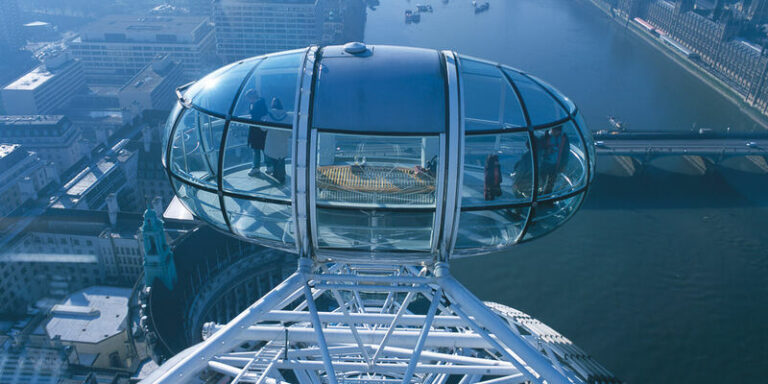
Most London travel guides repeat the same places over and over again. Buckingham Palace. Big Ben. The London Eye. Maybe a photo of Notting Hill thrown in somewhere for balance.
And look, those places are fine. Some are genuinely worth seeing.
But the version of London that stays with people usually happens outside the obvious tourist checklist. It’s in the quieter neighborhoods, the strange little corners beside railway arches, the cafés under apartment blocks, and the streets where nobody is trying to sell you a souvenir keychain every thirty seconds.
This is the side of London that travel blogs rarely spend enough time talking about.
Deptford Feels Completely Different From Central London
Deptford barely looks like the version of London most tourists imagine.
It’s messy in places. Loud sometimes. Full of independent food spots, old pubs, small art spaces, and people who actually live there instead of rolling suitcases through it.
Deptford Market has this slightly chaotic energy where you’ll find fresh fruit stalls beside vintage clothing, Nigerian food next to tiny coffee shops, and music leaking from somewhere nearby even if you can’t figure out where.
It feels alive in a way central London occasionally stops feeling.
Walthamstow Is Weirdly Underrated
Most visitors never make it to Walthamstow, which is probably why it still feels normal.
The village area has small bakeries, independent bookstores, old pubs, and streets that somehow stay calm despite being inside one of the biggest cities in Europe.
Then there’s God’s Own Junkyard, which honestly feels like stepping into someone’s neon-lit dream. Vintage signs, glowing artwork, random colors everywhere. It shouldn’t work but somehow does.
The area also has one of the best street markets in London without constantly trying to turn itself into a tourist attraction.
The Best Food in London Usually Isn’t in Central London
This is something people realize too late.
Some of the most interesting food in London sits far outside the major sightseeing areas. Places like Tooting, Southall, and Dalston have restaurants that feel more personal, less curated, and honestly better value.
Tooting especially is ridiculous for food. Tiny Sri Lankan cafés beside family-run Indian restaurants and dessert shops that stay open late because apparently nobody there believes in sleeping early.
Travel blogs usually skip these places because they’re not visually polished enough for Instagram.
Which is exactly why they’re good.
Hampstead Feels Like a Village That Accidentally Became Part of London
Hampstead somehow feels separate from the rest of the city.
The streets are quieter, the houses look unreal, and Hampstead Heath gives you one of the best skyline views in London without charging an entrance fee or forcing you into a queue.
On cloudy days especially, the whole area feels almost cinematic. In a calm way though, not a dramatic one.
You walk around there and temporarily forget London is chaotic at all.
Stratford Isn’t Just Westfield
A lot of people only associate Stratford with shopping centers and the Olympic Park. But the area around it is changing constantly.
Walk a bit further out and you’ll find canals, smaller cafés, breweries under railway arches, community markets, and residential streets that feel far more grounded than central London.
The canal walks around East London honestly deserve more attention in general. Especially early in the morning before the city fully wakes up.
London’s Quiet Residential Streets Are Half the Experience
This sounds obvious, but most travel itineraries rush too much.
Some of the best parts of London happen while doing absolutely nothing specific. Walking through residential streets in Islington, sitting outside a café in Peckham, or wandering through random side roads near Richmond without checking Google Maps every three minutes.
London changes mood block by block. That’s what makes it interesting.
One street feels financial and cold. The next feels artistic. Then suddenly you’re beside a park full of people drinking coffee with dogs wearing raincoats.
The city makes more sense when you stop trying to “complete” it.
Not Everything Needs to Be a Landmark
A lot of travel content treats cities like scavenger hunts.
London works better when you leave room for accidents. The tiny bookstore you weren’t looking for. The pub you entered because it started raining. The corner bakery that somehow ends up being the best thing you ate all week.
That version of London rarely appears in travel blogs because it’s harder to package neatly into “Top 10” lists.
But it’s usually the part people remember longest.
Final Thoughts
The parts of London most travel blogs ignore are often the parts that feel the most human. Less polished. Less crowded. Less obsessed with being photographed every five seconds.
And honestly, that’s where the city starts becoming interesting instead of just famous.
You don’t need to avoid the landmarks completely. Just leave enough space for the quieter neighborhoods too. London rewards curiosity more than strict itineraries anyway.